Choosing a portrait photographer gets easier once you stop thinking about photography as one generic service. A family session, a graduation session, a personal portrait, and a professional headshot all have different goals, and the right photographer should make those differences clear.
The first question is not just who takes nice pictures. It is who regularly makes the kind of images you actually need.
Start with the session type
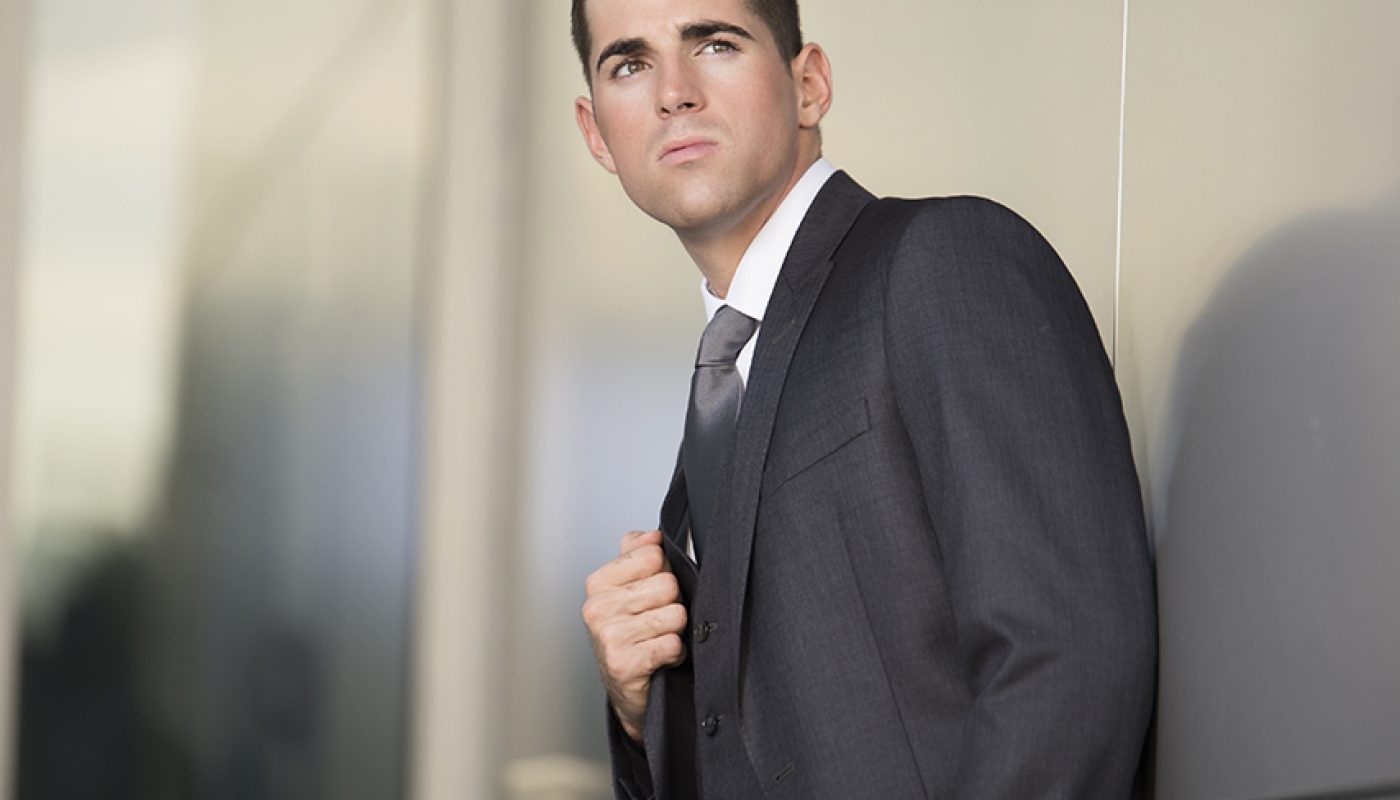
If you need a professional update for LinkedIn, a company bio, a faculty page, residency applications, or a website, start with a photographer whose work is clearly built around headshots. If you need family, graduation, children, couples, or creative portraits, the right fit may be an on-location portrait photographer instead.
At PhotoTale Studio, studio bookings are focused on headshots, acting and modeling sessions, and related professional portrait needs. Family and portrait sessions are handled on location through the Gainesville portrait page.
Match the setting to the job
Studio portraits work well when consistency matters. That is usually the right choice for professional, academic, medical, acting, and team headshots because light, background, and crop can all stay controlled. On-location portraits work well when you want movement, environmental variety, or a more relaxed family feel.
The best photographer for you should explain why one format fits your goal better than another rather than pushing every session into the same mold.
Look for guidance, not only nice images
A strong portfolio matters, but the client experience matters too. Ask whether the photographer guides posture, expression, and pacing or expects you to figure it out on your own. Most people look better when the session is directed clearly.
This is especially important for headshots and family sessions. In one case, adults need help looking natural without freezing up. In the other, children and families need enough structure to stay moving without the session becoming chaotic.
Pay attention to editing style
Retouching should support the portrait, not overwhelm it. Skin should still look like skin. The image should look polished and current, not airbrushed into something unrecognizable.
If a photographer's portfolio swings wildly from natural to over-smoothed, or if the style changes dramatically from one gallery to the next, that is worth paying attention to. Consistency is a useful sign.
Clarify what you actually receive
Before booking, understand how image delivery works. Do you choose from proofs? How many final retouched images are included? Are unretouched files released? Are there people limits, location limits, or time limits that shape the session?
For PhotoTale sessions, the public answers live on the pricing page. Studio headshots use curated proof galleries for image selection. On-location portrait sessions include a fixed number of fully retouched final images and do not include unretouched image release.
Make sure the portfolio matches your real use case
Do not judge a photographer only by whether the work looks good in general. Judge whether the work looks relevant. If you need a clean faculty portrait, look for faculty-style work. If you need graduation portraits, look for outdoor portraits with the right pacing and group handling. If you need a family session, look for natural interaction, not only one perfect posed frame.
The PhotoTale portfolio is the best place to check whether the work matches the tone you want.
The right fit should feel clear
A good portrait photographer should make the process easier, not murkier. The offer should be specific, the portfolio should feel consistent, and the session style should match the reason you need the images in the first place.
If you already know what kind of session you need, go straight to studio headshots, acting and modeling headshots, or on-location portraits.