AI headshots are everywhere right now, and the appeal is easy to understand. People want a photo that looks polished, current, and professional without having to plan a session, choose wardrobe, or stand in front of a camera.
Sometimes AI can produce something that looks decent at first glance, especially from a clean selfie. But that does not mean it solves the real problem a headshot is supposed to solve. A professional headshot is not just about looking polished. It is about looking believable, prepared, approachable, and recognizably like yourself.
Why AI headshots are appealing
For LinkedIn, company profiles, speaking bios, residency applications, casting submissions, and websites, people want an image that feels stronger than an everyday phone photo. AI promises a shortcut. Upload a few pictures, pick a style, and get back something that looks more finished.
That promise is not irrational. It points to something real: starting image quality matters. Better light, better angle, and better expression usually produce better results, whether you are editing a phone image, choosing a retouched portrait, or testing an AI generator.
What AI often gets wrong
The problem is that a headshot is doing trust work. When someone sees your portrait on LinkedIn, a hospital page, a faculty bio, a casting profile, or a company website, they are not only asking whether the image is flattering. They are asking whether it feels real.
AI headshots often start to break down exactly there. Skin can look too smooth. Hair, glasses, teeth, clothing, and hands can become subtly strange. Expression can read generic instead of natural. The result may look polished in a small thumbnail, but less convincing the longer someone looks at it.
That matters because the goal is not to create an attractive stranger. The goal is to create a polished version of you.
Why the starting photo still matters
If AI can sometimes make a decent headshot from a selfie, that does not reduce the value of a real session. It actually makes the opposite point. The better the starting image, the less the final result has to fake.
A professional headshot session gives you the part that software cannot invent reliably: flattering light, intentional lens choice, posture guidance, expression coaching, wardrobe choices that support the face, and a frame built around how the image will actually be used.
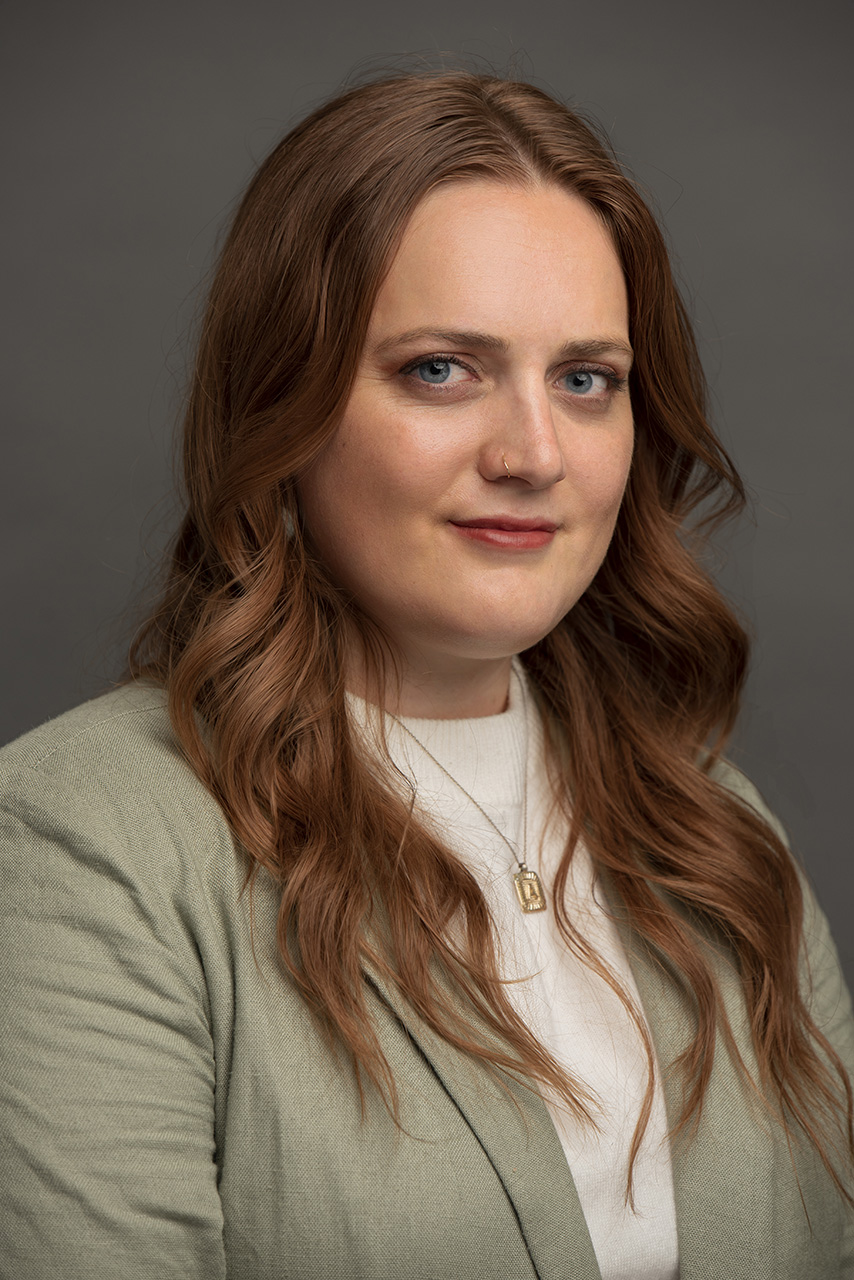
That is why a real headshot usually holds up better than a generated one. The image already works before editing starts.
A real headshot does more than look expensive
Good headshots are not only about technical quality. They are about control. A studio session lets you shape the result around the job the image needs to do.
A business or LinkedIn headshot may need to feel prepared, current, and approachable. A medical or academic image may need a cleaner, more conservative read. An acting headshot needs room for personality and casting fit. Those differences are easier to build intentionally in-camera than to guess at afterward with software.
Retouching is not the same as replacing the photo
There is nothing wrong with wanting polish. Real headshots usually benefit from careful retouching too. Temporary blemishes, stray hairs, under-eye fatigue, and small distractions can all be handled without changing the person underneath.
The difference is that realistic retouching supports the photograph. It does not try to replace the whole experience of making one.
So are AI headshots good enough?
Sometimes they are good enough for low-stakes use, especially if the alternative is an unflattering selfie taken in bad light. But "good enough" is not always the same as trustworthy, and it is rarely the same as distinctive.
If the image matters for your work, applications, auditions, website, or first impression, it is usually worth starting with a real photograph that already feels accurate. That gives you more options, more believable polish, and a result that still looks like you when someone meets you in person.
The practical takeaway
AI headshots are popular because people want the same thing professional headshots have always been for: a strong first impression. The lesson is not that photography matters less now. It is that the starting image matters even more.
If you want a headshot that feels polished without feeling artificial, start with real light, real direction, and a photograph built around your actual use case. From there, thoughtful editing can refine the image instead of rescuing it.
If you are planning an update for LinkedIn, medical applications, faculty pages, company bios, or acting materials, start with studio headshot sessions, review the portrait portfolio, or go straight to studio headshot pricing.